

-
Genres
-
Premiere DateMarch 14, 2026

Formula 1, often called F1, is the pinnacle of global motorsport, a place where cutting-edge engineering, elite athleticism, and razor sharp strategy collide at speeds that routinely exceed 200 miles per hour. It's not just a racing series; it's a traveling technological laboratory, a global entertainment phenomenon, and a relentless pursuit of perfection. Every Grand Prix weekend is a blend of precision and chaos, where the smallest detail can determine whether a driver stands on the podium or limps back to the garage.
The Formula 1 season, known as the World Championship, spans continents and cultures. Races take place on purpose-built circuits like Silverstone and Suzuka, as well as iconic street tracks such as Monaco and Singapore. Each venue brings its own character, tight corners, long straights, unpredictable weather, and teams must adapt their cars and strategies to meet the unique demands of each location. This global footprint is part of what makes F1 so compelling: it's a sport that never sits still.
At the heart of Formula 1 is the car itself, a marvel of engineering designed to push the limits of physics. Every component, from the carbon fiber chassis to the hybrid power unit, is optimized for performance, efficiency, and safety. Aerodynamics play a central role, with cars sculpted to slice through the air while generating enormous downforce that presses them into the track and allows for astonishing cornering speeds. Wings, diffusers, and intricate bodywork create a delicate aerodynamic balance that teams spend countless hours refining.
Modern F1 engines are hybrid power units that combine a turbocharged internal combustion engine with advanced energy recovery systems. These systems harvest heat and kinetic energy, converting it into electrical power that boosts acceleration. The result is a powertrain that's both brutally powerful and surprisingly efficient. Lightweight composites, aerospace-grade metals, and precision manufacturing techniques ensure that every gram and every millimeter contributes to performance. The relentless innovation in F1 often trickles down into consumer technology, influencing everything from automotive safety to energy efficiency.
While the spectacle of cars hurtling around a circuit grabs the spotlight, the strategic dimension of Formula 1 is equally fascinating. Teams employ dozens of engineers who analyze data in real time, making decisions about tire selection, pit stop timing, fuel management, and race pace. Tire compounds with varying levels of grip and durability can dramatically alter a car's performance. Pit stops executed in under three seconds can make or break a race. Weather changes force teams to adapt instantly, and safety cars can reset the entire competitive landscape. A well timed pit stop or a bold tire choice can elevate a midfield driver to a podium finish. Strategy is a chess match played at 200 mph.
F1 drivers are elite athletes who combine lightning-fast reflexes with extraordinary mental stamina. They endure extreme g-forces, maintain intense concentration for nearly two hours, and communicate constantly with their teams. Their training blends physical conditioning, reaction drills, and simulator work that replicates every nuance of the car and track. What sets the best drivers apart is their ability to operate at the edge of control lap after lap, while making split-second decisions. They must manage tire wear, fuel consumption, and racecraft, all while battling rivals who are equally skilled.
Behind every driver is a team of hundreds: engineers, mechanics, strategists, aerodynamicists, data analysts, and support staff. Teams like Mercedes, Ferrari, and Red Bull operate with the precision of world-class research institutions. Their factories run wind tunnels, simulators, and manufacturing facilities that produce new parts almost weekly. Success in F1 is never the result of a single person's effort. It's the culmination of thousands of hours of design, testing, and teamwork.
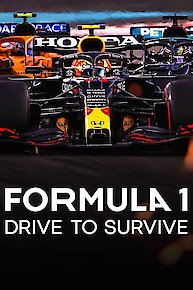
Formula 1 is as much a cultural event as a sporting one. Fans flock to races dressed in team colors, celebrities fill the paddock, and millions watch from around the world. The sound of engines, the smell of burning rubber, and the tension of wheel-to-wheel battles all create an atmosphere unlike any other sport. The Netflix series Drive to Survive has only amplified F1's global popularity, offering behind the scenes drama that has drawn new fans into the fold.
F1 is compelling because it blends extremes: speed and precision, risk and control, human skill and technological mastery. Every race is a story of triumph, failure, innovation, rivalry, and the relentless pursuit of milliseconds.
Formula 1 Racing is a series that ran for 2026 seasons (29 episodes) between March 14, 2026 and on