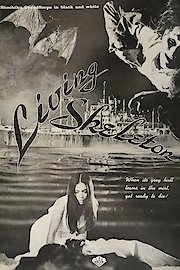
The Living Skeleton is a 1968 black-and-white Japanese horror film that artfully melds elements of gothic eeriness with the atmospheric intensity typical of the horror genre emerging from Japan during the late 1960s. Directed by Hiroshi Matsuno and featuring a talented cast that includes Kikko Matsuoka, Yasunori Irikawa, and Masumi Okada, The Living Skeleton superbly showcases the themes of vengeance and supernatural occurrences.
The narrative of the film circles around a young woman named Yoriko, portrayed by Kikko Matsuoka, who becomes entwined in a story of terror and retribution. At the heart of this chilling tale is a tragedy that befell a group of individuals on a ship called the Dragon King. This shipping vessel is the setting of a ruthless massacre executed by pirates, who mercilessly kill all on board to obtain a wealth of gold. The mercilessness of the crime sets a haunting tone that lingers throughout the entirety of the film.
Yoriko's life is intricately linked to this past incident, and she finds herself drawn into the dark history as mysterious occurrences start to unfold. Skeletal remains and phantoms begin to make sinister appearances, bringing the ominous atmosphere of a curse to life. These elements suggest that the restless spirits of the slain passengers and crew may be seeking vengeance from beyond the grave, a potent theme in Japanese horror narratives.
In the film, Yoriko is engaged to a marine biologist named Ken, played by Yasunori Irikawa. Ken's scientific rationality stands in contrast to the increasingly surreal and inexplicable events that engulf them, creating a juxtaposition between the living and the otherworldly. They both find themselves in the middle of an unraveling mystery that ties back to the shocking events aboard the Dragon King.
Masumi Okada lends his talents to the character of Dr. Yamamoto, someone whose role becomes integral as the story progresses. Intrigue and suspense escalate while characters’ motivations and connections to the haunting become more entwined and complex.
The Living Skeleton blends horror with melodrama, as it's not just about the haunting itself but also about the emotional and psychological impact such events have on the living. The narrative explores themes of love, betrayal, and the proverbial ghost in the closet, contemplating how the past can be inescapable and how one's actions can cast long shadows.
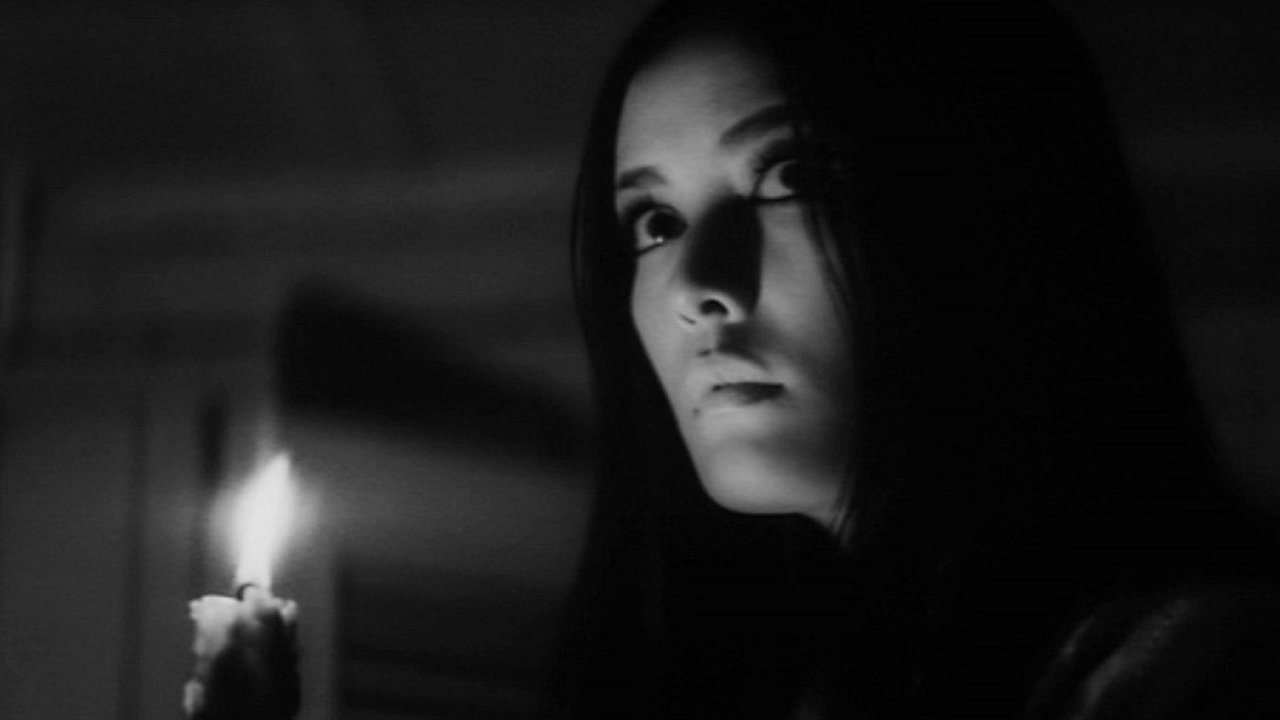
An essential component that enhances the eerie ambiance is the film's visual composition. The Living Skeleton utilizes the black-and-white cinematography to deliver stark contrasts and deep shadows, which are instrumental in creating the mood and augmenting the sense of dread and foreboding. The special effects, though modest by modern standards, are effectively used and blend well with the overarching theme of ghostly retribution.
Beyond the sheer visual impact, the film's score further amplifies the chilling narrative, using music to elicit a sense of unease and tension. It orchestrates the viewer's emotions, guiding them through a maze of fear and suspense. The sound design, with its eerie whispers, chilling cries, and the quiet hush of the sea, adds another layer to the film's ominous tone.
The Living Skeleton, while rooted in horror, also delves into philosophical territory, posing questions about the human condition and the nature of existence after death. It taps into universal fears and cultural interpretations of the afterlife, making it a fascinating case study of how Japanese cinema often intertwines folkloric beliefs with contemporary storytelling.
It is worth noting that horror movies from this period often carried a unique essence that both differentiated them from Western horror movie tropes and expanded on traditional Japanese ghost stories. This film captures that sentiment by incorporating a narrative that is both culturally specific with its references to Japanese spirituality and universal in its exploration of the consequences of immoral actions.
The Living Skeleton, therefore, appeals to those who appreciate not only the thrill and spine-chilling aspects of horror movies but also to those intrigued by the finer threads of emotional storytelling. Its appeal lies in an atmospheric concoction that successfully marries horror, drama, and existential ponderings.
In sum, The Living Skeleton remains a classic in the pantheon of Japanese horror. Its stirring performances, artful direction, and thought-provoking premise combine to create a film experience that lingers with viewers long after the final credits roll. The film stands as a testament to a time when horror cinema was as much about the ineffable human emotions as it was about the shock and awe of the supernatural.