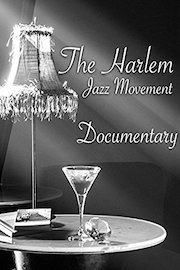
The Harlem Jazz Movement Documentary is a fascinating film that chronicles the rise of jazz music in Harlem in the early 20th century. The documentary takes us on a journey through the history of jazz and the cultural significance it had, and continues to have, on African American communities. The film showcases interviews with experts, historians, and musicians who experienced the Harlem Jazz Movement first-hand. They provide deep insight into the socio-political landscape of the time and how jazz played a role in shaping it.
The documentary begins by introducing us to the cultural and social challenges that African Americans faced in the Jim Crow era. Racial segregation was at its peak, and black people had limited opportunities for education, work, and entertainment. Harlem was one of the few places that offered some respite from these harsh realities.
As the film progresses, we learn how the Harlem Renaissance paved the way for the jazz movement. African American artists, writers, and musicians came together in Harlem to create a cultural hub that defied systematic oppression. Jazz emerged as a way for black people to express themselves, and it soon became a globally recognized sound.
The Harlem Jazz Movement Documentary highlights the diverse range of musicians that contributed to the genre's development. We meet giants such as Duke Ellington, Louis Armstrong, and Billie Holiday, who not only created memorable music but also transformed jazz from a localized sound to a universal language.
The documentary does not shy away from exploring the struggles that jazz musicians faced. Jazz was often stigmatized as degenerate music and was subject to censorship in many parts of the United States. The film highlights the impact of these suppressive tactics on artists such as Charlie Parker, whose addiction to drugs was a result of the societal pressures he faced.
Throughout the film, the viewer is treated to a treasure trove of archival footage and performances by some of the greatest jazz musicians of all time. The footage includes performances at historic venues such as the Cotton Club, the Apollo Theater, and the Savoy Ballroom, which were some of the few places where African Americans were allowed to perform during the Jim Crow era.
The Harlem Jazz Movement Documentary also explores how the jazz culture influenced other aspects of African American life. We see how fashion, dance, and literature were all influenced by the jazz movement. The film highlights the connection between jazz and the social and political movements of the time and how the genre played a role in pushing for civil rights.
One of the most crucial aspects of the Harlem Jazz Movement Documentary is its emphasis on preserving the legacy of jazz for future generations. The film highlights the challenges in keeping jazz relevant in the modern era and how important it is for young artists to be exposed to the richness of the genre's history.
In conclusion, The Harlem Jazz Movement Documentary is a captivating film that explores the cultural impact of jazz and the African American experience in the early 20th century. The film provides a comprehensive look at the genre's origins, evolution, and significance, with a focus on the Harlem Renaissance. This documentary is a must-watch for anyone interested in jazz, African American history, or the evolution of American music.