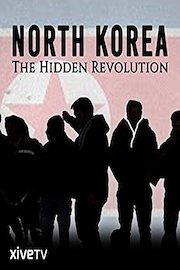
North Korea: The Hidden Revolution is a documentary film that takes a deep dive into the lives of North Koreans who have managed to flee their homeland and create new lives abroad. The film explores the factors that led them to leave their country, the harsh realities of living in the repressive state, and the challenges they face as they attempt to integrate into new societies.
The film is structured around a series of interviews with North Korean defectors, who provide first-hand accounts of life in the country. They describe the pervasive government propaganda and the intense surveillance that is a part of daily life. They also discuss the widespread poverty and famine that afflict much of the population, as well as the brutality of the prison camps that the government uses to punish dissenters.
One of the key themes of the movie is the role of technology in facilitating change in North Korea. The film shows how portable media devices like USB drives and DVDs have become powerful tools for spreading information and challenging the government's propaganda. North Koreans who manage to cross the border into China can buy or rent video content that would be banned in their home country, and then smuggle it back in to share with friends and family. This has led to the emergence of a vibrant underground culture, in which North Koreans consume and create their own media that challenges the status quo.
The film also explores the rise of the Jangmadang, a growing network of informal markets that have sprung up across the country. These markets are a testament to the ingenuity and resilience of the North Korean people, who have found ways to survive and even flourish under difficult conditions. They also represent a kind of resistance to the centralized control of the state, as they provide an avenue for economic activity that is beyond the reach of the regime.
Throughout the movie, the defectors speak candidly about the challenges they have faced in adjusting to a new way of life. For many of them, the experience of living in a free society is overwhelming at first, and they struggle to adapt to the new norms and expectations. They also face discrimination and stigma from the wider community, as they are often seen as outsiders or potential security risks.
Despite the obstacles they face, however, the defectors in the film remain hopeful about the future. They believe that change is possible in North Korea, and that the actions of individuals can have a profound impact on the course of history. They continue to work tirelessly to spread awareness and build networks of support, both within and outside of their homeland.
Overall, North Korea: The Hidden Revolution is a powerful and thought-provoking film that sheds light on a part of the world that is often shrouded in secrecy. It offers an intimate look at the lives of people who have lived under one of the most repressive regimes in history, and the ways in which they have managed to assert their agency and resilience in the face of adversity. It is a testament to the power of human perseverance and the enduring quest for freedom and dignity.