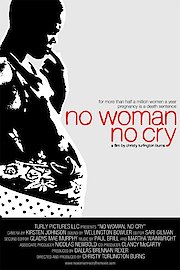
No Woman No Cry is a gripping documentary film that explores the reality of maternal health care in different parts of the world. Directed by Christy Turlington Burns, the movie premiered in 2010 and received critical acclaim for its honest portrayal of the struggles that women face during childbirth. The film takes its title from the popular Bob Marley song, which speaks to the resilience of women in the face of oppression and adversity. This theme runs throughout the movie, as we see women from different countries and backgrounds sharing their experiences of childbirth and the challenges that they have faced.
The film is structured as a series of vignettes, with each segment focusing on a different woman and her story. We meet a midwife in Guatemala who is working to improve the quality of care for indigenous women, a young mother in Tanzania who has lost several babies to preventable complications, and an expectant mother in the United States who is struggling to access prenatal care due to lack of insurance.
As we follow these women on their journeys, we are introduced to a range of issues that impact maternal health care globally. These include poverty, lack of infrastructure, cultural practices, and discrimination. We also see how these issues are connected, and how they compound one another, making it even more difficult for women to access the care that they need.
Despite the serious subject matter, No Woman No Cry never feels heavy-handed or didactic. Turlington Burns employs a sensitive and empathetic approach that allows the women's stories to speak for themselves. The movie is also visually stunning, with beautiful, sweeping shots of the different countries and landscapes that the film visits.
One of the strengths of the movie is that it is not just a critique of the current state of maternal health care, but also a call to action. Turlington Burns highlights several organizations and individuals who are working to make a difference, and encourages viewers to get involved in their own communities. She also includes a series of resources at the end of the film, including websites and books, for those who want to learn more or get involved.
No Woman No Cry is an important and moving film that sheds light on a critical issue. While it focuses primarily on maternal health care, its themes of gender inequality and systemic oppression are applicable to a wide range of areas. The movie inspires empathy, compassion, and a sense of urgency, and is highly recommended for anyone who cares about social justice and human rights.
In conclusion, No Woman No Cry is an emotional and eye-opening documentary that highlights the difficulties and challenges that women from different parts of the world face while giving birth. It is a must-see movie for anyone who wants to understand and support the cause of maternal health care. Turlington Burns has done an exceptional job of capturing the essence of motherhood through the stories of the brave women that she has interviewed in the film. The documentary is a tribute to the courage and resilience of women and a reminder of the need for global action to address maternal health care.
No Woman No Cry is a 2010 documentary with a runtime of 1 hour.
It has received mostly positive reviews from critics and viewers, who have given it an IMDb score of 7.0.