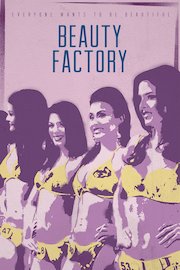
Beauty Factory is a 2013 Venezuelan drama directed by Andres Malo Segarra. The film is set in Caracas, and follows the intertwined lives of a group of women that work at a beauty factory, which manufactures beauty products such as makeup, fragrances, and skin care items. The film opens with a group of women sitting in a small room, where they are interviewed for positions at the beauty factory. The characters are quickly introduced, each with their own unique backstory and motivations for wanting to work at the factory. The main character, Carolina (played by Ly Jonaitis), is a young woman who dreams of becoming a beauty queen. She sees the job at the factory as a stepping stone to achieving her goals.
As the film progresses, we see the different challenges that each woman faces. There's Marta (Vanessa Peretti), a single mother who struggles to balance work and taking care of her son. There's Rosa (Chiqui Montiel), a veteran employee who is up for a promotion but is worried that her age will work against her. And then there's Ana (Carla Muller), a new hire who is eager to please but lacks experience in the industry.
The film dives deep into the daily lives of these women, showing us how they navigate the pressures of the beauty industry as well as their personal lives. We see them working long hours in the factory, mixing ingredients and packaging products. We see them dealing with the demands of their bosses, who care more about profit than their employees' well-being. And we see them struggling with their own feelings of inadequacy, as they compare themselves to the unrealistic beauty standards that the industry promotes.
Throughout the film, we see glimpses of the larger societal issues that plague Venezuela. There are references to the soaring crime rates, the failing economy, and the political instability that the country is facing. The beauty factory becomes a microcosm of a larger system that exploits workers for profit.
Despite the heavy themes, the film is not without its moments of levity. There are scenes of the women goofing off during their breaks, bonding over their shared frustrations, and even dancing together on the factory floor. The director strikes a delicate balance between the darker aspects of the story and the lighter moments of camaraderie between the characters.
One of the strengths of the film is its strong female ensemble cast. Each actress delivers a nuanced performance, conveying the complexities of their characters' lives. There's a sense of authenticity in their portrayals, as if they are drawing from their own experiences of working in the beauty industry.
Another noteworthy aspect of the film is its visual style. The cinematography is lush and vibrant, capturing the beauty of Caracas as well as the products that the factory produces. There's a rich color palette that adds to the sensual nature of the beauty industry, while also providing a contrast to the grittier aspects of the story.
In the end, Beauty Factory is a poignant and insightful look into the beauty industry and the women who work within it. It's a film that speaks to the larger issues of class, gender, and capitalism that affect societies around the world. But ultimately, it's a film about human connection and the resilience of the human spirit, as the characters strive to find meaning and purpose in their lives.